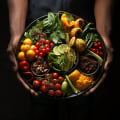
In today’s fast-paced world, the convenience of frozen fruits and vegetables has become increasingly appealing to many consumers. While the allure of farm fresh groceries is undeniable, understanding the benefits of frozen produce can significantly enhance your dietary choices. Freezing is a preservation method that not only extends the shelf life of fruits and vegetables but also plays a crucial role in maintaining their nutritional integrity. This section delves into how freezing affects the quality and convenience of these food items, setting the stage for a deeper exploration of their advantages.When fruits and vegetables are harvested at their peak ripeness, they are often flash-frozen within hours.
This process locks in essential vitamins and minerals, making frozen options a viable alternative to fresh produce that may lose nutrients during transportation and storage. For instance, while fresh spinach may lose a significant amount of its folate content after just a few days in transit, frozen spinach retains its nutrient density, providing a more reliable source of nutrition.The convenience factor cannot be overstated. With frozen fruits and vegetables readily available in your freezer, preparing healthy meals becomes a hassle-free experience. You can easily incorporate them into smoothies, stir-fries, or soups without the worry of spoilage that often accompanies fresh produce.
This not only saves time but also reduces food waste, allowing you to enjoy nutritious meals without the pressure of consuming everything before it goes bad.As we explore the benefits of frozen fruits and vegetables further, it’s essential to recognize that while fresh produce has its place in our diets, frozen options offer unique advantages that can complement our nutritional needs. By understanding these benefits, you can make informed choices that align with your lifestyle and health goals.
Nutritional Comparison: Fresh vs. Frozen
When it comes to the debate between fresh and frozen produce, one of the most significant factors to consider is the nutritional value. Many consumers often assume that fresh fruits and vegetables are inherently superior to their frozen counterparts.However, this perception can be misleading, especially when we delve into how freezing affects the nutrient content of these foods.Fresh produce is often celebrated for its taste and texture, particularly when sourced from local farms. However, it’s essential to recognize that the journey from farm to table can significantly impact the nutritional quality of these items. Fresh fruits and vegetables may spend days or even weeks in transit, during which time they can lose valuable vitamins and minerals. For instance, studies have shown that certain nutrients, such as vitamin C and folate, can degrade over time due to exposure to light, heat, and air.In contrast, frozen fruits and vegetables are typically harvested at their peak ripeness and immediately flash-frozen.
This process locks in their nutrients, preserving them much more effectively than fresh produce that has been stored for extended periods. For example, frozen spinach can contain up to four times more vitamin C than fresh spinach that has been sitting in your refrigerator for a few days.Moreover, the freezing process helps maintain the mineral content of fruits and vegetables. Minerals such as potassium and magnesium are generally stable during freezing, meaning that frozen options can provide similar or even superior levels of these essential nutrients compared to fresh varieties that have lost potency over time.For health-conscious consumers looking to maximize their nutrient intake without compromising on convenience, incorporating frozen produce into their diets can be a smart choice. Not only does it offer a longer shelf life—reducing food waste—but it also ensures that you have access to a variety of farm fresh groceries year-round, regardless of seasonal availability.In summary, while there is no denying the appeal of freshly picked produce from local farms, frozen fruits and vegetables present a viable alternative that can be just as nutritious.
By understanding the differences in nutrient retention between fresh and frozen options, consumers can make informed choices that align with their health goals.
The Convenience Factor of Frozen Produce
In today’s fast-paced world, the convenience of frozen fruits and vegetables cannot be overstated. For busy individuals and families, incorporating frozen produce into meal preparation can significantly streamline cooking processes while ensuring that nutritious options are always on hand.One of the primary advantages of frozen fruits and vegetables is their ability to save time. With a well-stocked freezer, you can easily create a healthy meal in minutes. Instead of spending time washing, peeling, and chopping fresh produce, you can simply grab a bag of frozen veggies or fruits and toss them into your dish.This is especially beneficial for those who may not have the luxury of time during the week.Moreover, frozen produce is pre-washed and often pre-cut, which means less prep work for you. This convenience allows for quick meal assembly, making it easier to whip up nutritious dinners even on the busiest nights. Whether you’re preparing a stir-fry, smoothie, or casserole, having frozen options readily available can make all the difference.Another significant benefit is the reduction of food waste. Fresh fruits and vegetables have a limited shelf life, and it’s common for busy households to find themselves throwing away spoiled produce.
In contrast, frozen fruits and vegetables can last for months in the freezer without losing their nutritional value. This means you can buy in bulk without the fear of spoilage, allowing you to enjoy your favorite farm fresh groceries at your convenience.Additionally, frozen produce allows for greater flexibility in meal planning. You can easily mix and match different frozen items to create diverse meals throughout the week without worrying about what needs to be used up first. This flexibility not only saves time but also encourages creativity in the kitchen.In conclusion, the convenience factor of frozen fruits and vegetables makes them an invaluable resource for anyone looking to maintain a healthy diet amidst a busy lifestyle.
By reducing prep time and minimizing food waste, they provide an efficient solution for meal preparation while ensuring that nutritious options are always available.
Cost-Effectiveness of Frozen Fruits and Vegetables
When it comes to grocery shopping, one of the most significant factors influencing consumer choices is cost. The rising prices of fresh produce can make it challenging for families to maintain a healthy diet without breaking the bank. This is where frozen fruits and vegetables come into play as a cost-effective alternative that does not compromise on nutrition.Frozen produce is often more budget-friendly than its fresh counterparts. Seasonal fluctuations in the availability of fresh fruits and vegetables can lead to price spikes, making it difficult for consumers to predict their grocery expenses.In contrast, frozen options are typically available year-round at stable prices. This consistency allows for better meal planning and budgeting.Moreover, purchasing frozen fruits and vegetables can lead to significant savings in several ways:
- Reduced Waste: Fresh produce has a limited shelf life, and many consumers find themselves discarding spoiled items. Frozen fruits and vegetables can be stored for months without losing their quality, minimizing waste and maximizing value.
- Bulk Buying: Many grocery stores offer frozen produce in larger quantities at discounted rates. Buying in bulk not only saves money but also ensures that you have a variety of healthy options readily available.
- Convenience: Frozen fruits and vegetables are pre-washed, chopped, and ready to use, which can save time in meal preparation.
This convenience can encourage healthier eating habits, as it becomes easier to incorporate these items into daily meals.
Taste and Texture: The Great Debate
The debate surrounding the taste and texture of frozen versus fresh produce is a common topic among food enthusiasts and health-conscious consumers alike. Many people hold the belief that farm fresh groceries inherently offer superior flavor and texture compared to their frozen counterparts.However, this perception can be nuanced and influenced by various factors, including preparation methods and individual preferences.When it comes to taste, fresh fruits and vegetables often have a vibrant, crisp quality that many find appealing. This is particularly true for items that are in season and sourced locally. For instance, a ripe tomato picked at its peak ripeness can deliver an explosion of flavor that is hard to replicate. On the other hand, frozen produce is typically harvested at its peak and flash-frozen to lock in nutrients and flavor.
While some may argue that frozen fruits and vegetables lack the same depth of flavor as fresh ones, advancements in freezing technology have significantly improved the taste of frozen options.
Texture Differences
Texture is another critical aspect of the fresh versus frozen debate. Fresh produce often boasts a satisfying crunch or juiciness that can be lost during the freezing process. For example, fresh green beans have a snap that many enjoy, while their frozen counterparts may be softer after cooking. However, this does not mean that frozen vegetables are inferior; they simply offer a different texture profile.Cooking methods also play a significant role in how both fresh and frozen produce is perceived.Steaming or sautéing fresh vegetables can enhance their natural flavors, while frozen varieties may require different techniques to achieve optimal results. For instance, stir-frying frozen vegetables directly from the freezer can help maintain their texture and prevent them from becoming mushy.Ultimately, personal preference plays a significant role in determining whether someone prefers fresh or frozen produce. Some individuals may prioritize the convenience of having frozen fruits and vegetables readily available for quick meals, while others may seek out farm fresh groceries for their superior taste and texture. Understanding these differences can help consumers make informed choices based on their cooking habits and flavor preferences.
Environmental Impact: Fresh vs.
Frozen ProduceWhen considering the environmental impact of our food choices, the debate between fresh and frozen produce becomes increasingly relevant. One of the most significant factors to consider is the carbon footprint associated with transporting these goods. Fresh fruits and vegetables often travel long distances from farms to grocery stores, especially in regions where local produce is not available year-round. This transportation contributes to greenhouse gas emissions, which can be mitigated by choosing frozen options that are often sourced from local or regional farms and flash-frozen at peak ripeness.Moreover, the issue of food waste cannot be overlooked.
According to the USDA, approximately 30-40% of the food supply in the United States is wasted. Fresh produce is particularly susceptible to spoilage due to its limited shelf life. Many consumers purchase fresh fruits and vegetables with good intentions but end up discarding them when they spoil before they can be consumed. In contrast, frozen fruits and vegetables have a much longer shelf life, allowing consumers to use them as needed without the pressure of immediate consumption.
This not only reduces waste but also promotes a more sustainable approach to meal planning.Additionally, frozen produce can help in reducing the overall demand for out-of-season fresh produce, which often requires extensive resources for cultivation and transportation. By opting for frozen options, consumers can support sustainable farming practices that prioritize seasonal availability and reduce reliance on energy-intensive agricultural methods.In summary, while both fresh and frozen produce have their merits, choosing frozen fruits and vegetables can lead to a lower carbon footprint and significantly reduce food waste. As we strive for more sustainable eating habits, incorporating frozen options into our diets can be a practical step towards achieving environmental sustainability while still enjoying nutritious meals.
How to Choose Quality Frozen Fruits and Vegetables
When it comes to selecting high-quality frozen fruits and vegetables, making informed choices can significantly enhance your meals and overall nutrition. Here are some practical tips to help you navigate the frozen aisle effectively.1.Check the Packaging
Quality frozen produce typically comes in well-sealed packaging that protects it from freezer burn and moisture loss.Look for:
- Opaque Bags: These help prevent light exposure, which can degrade nutrients.
- Resealable Options: Resealable bags allow you to use only what you need while keeping the rest fresh.
- Clear Labels: Ensure that the packaging clearly states the contents and any additives or preservatives.
2.Read the Ingredients List
When choosing frozen fruits and vegetables, it’s essential to read the ingredients list carefully. Ideally, you want:- Single Ingredients: Look for products that list only the fruit or vegetable itself without added sugars, sauces, or preservatives.
- No Artificial Additives: Avoid options with artificial colors or flavors, as these can detract from the health benefits of your produce.
3.Look for Quality Labels
Some brands may carry certifications or labels that indicate higher quality standards. For example:- USDA Organic: This label ensures that the produce is grown without synthetic pesticides or fertilizers.
- Non-GMO Project Verified: This certification indicates that the product is free from genetically modified organisms.
4.Consider Seasonal Availability
Frozen fruits and vegetables are often harvested at their peak ripeness, which means they can be just as nutritious as fresh options. However, understanding seasonal availability can help you choose varieties that are not only fresher but also more flavorful.For instance, berries are typically frozen shortly after harvest in summer months, ensuring optimal taste and nutrient retention.
5.Buy in Bulk When Possible
If you find a brand or type of frozen produce that you enjoy, consider buying in bulk. This not only saves money but also ensures you always have healthy options on hand for quick meals. Just make sure to store them properly to maintain their quality.By following these tips, you can confidently select high-quality frozen fruits and vegetables that complement your diet and lifestyle while enjoying the convenience of farm fresh groceries. Remember, a well-stocked freezer can be a game-changer for quick meal preparation and maintaining a balanced diet.Frequently Asked Questions About Frozen Produce
When it comes to incorporating frozen fruits and vegetables into your diet, many consumers have questions and misconceptions.Here, we address some of the most frequently asked questions to help clarify any doubts you may have about these convenient options.
Are frozen fruits and vegetables as nutritious as fresh ones?
One of the most common misconceptions is that frozen produce lacks the nutritional value of fresh fruits and vegetables. In reality, frozen fruits and vegetables are often picked at their peak ripeness and flash-frozen, which helps preserve their nutrients. Studies have shown that in many cases, frozen produce can retain equal or even higher levels of vitamins and minerals compared to fresh options that have been stored for several days.Do frozen fruits and vegetables contain additives?
Another concern is the presence of additives in frozen produce. Most brands offer products that are simply frozen without any added sugars, preservatives, or artificial ingredients.However, it’s always wise to check the ingredient list on the packaging to ensure you are choosing options that align with your health goals.
How long can I store frozen fruits and vegetables?
Frozen produce can last for several months in your freezer without losing quality. Typically, fruits can be stored for about 8-12 months, while vegetables can last around 10-12 months. To maintain their best quality, it’s important to keep them in airtight containers or bags to prevent freezer burn.Can I use frozen produce in cooking?
Absolutely! Frozen fruits and vegetables are incredibly versatile and can be used in a variety of dishes. They can be added directly to smoothies, soups, stir-fries, or baked goods without the need for thawing.This convenience makes them an excellent choice for quick meal preparation.
Are there any downsides to using frozen produce?
While there are many benefits to using frozen fruits and vegetables, some people may find that the texture differs from fresh produce after cooking. For example, frozen vegetables may become softer when cooked compared to their fresh counterparts. However, this is often a matter of personal preference and does not affect their nutritional value.In conclusion, incorporating frozen fruits and vegetables into your diet can be a smart choice for convenience and nutrition. By understanding these common questions and misconceptions, you can make informed decisions about how to include these options in your meals.Conclusion: Embracing Frozen Fruits and Vegetables in Your Diet
In summary, the debate between fresh and frozen fruits and vegetables often leads to misconceptions about their nutritional value and convenience.While farm fresh groceries undoubtedly offer unparalleled taste and quality, especially when sourced locally, frozen options present a compelling case for inclusion in a balanced diet.One of the most significant advantages of frozen produce is its ability to retain nutrients. As discussed, fruits and vegetables are typically frozen at their peak ripeness, locking in essential vitamins and minerals that can diminish over time in fresh produce due to transportation and storage. This means that, in many cases, frozen options can be just as nutritious—if not more so—than their fresh counterparts.Moreover, the convenience factor cannot be overstated. Having a variety of frozen fruits and vegetables on hand allows for quick meal preparation without the worry of spoilage.
This is particularly beneficial for busy individuals or families who may struggle to consume all their fresh produce before it goes bad. By incorporating frozen options into your meals, you can reduce food waste while still enjoying a diverse range of nutrients.Additionally, frozen fruits and vegetables can be a cost-effective solution, especially when certain fresh produce items are out of season or priced at a premium. This accessibility ensures that you can maintain a healthy diet year-round without breaking the bank.Ultimately, the key is balance. Embracing both farm fresh groceries and frozen produce allows you to enjoy the best of both worlds.
Fresh fruits and vegetables should be prioritized when available, particularly those sourced from local farms or your own garden. However, integrating frozen options into your diet provides flexibility, convenience, and nutritional benefits that are hard to ignore.As you plan your meals and grocery shopping trips, consider stocking up on both fresh and frozen produce. This approach not only enhances your culinary options but also supports a healthier lifestyle that accommodates your schedule and budget.