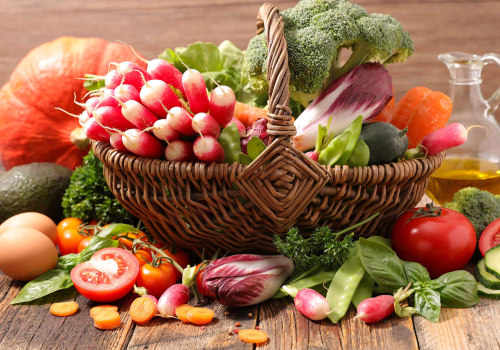
In today's fast-paced world, the concept of fresh foodfresh food has gained significant attention, particularly as more individuals become aware of the profound impact that diet has on overall health. But what exactly constitutes fresh food? At its core, fresh food refers to items that are minimally processed and free from artificial preservatives, additives, and other chemicals that can compromise their nutritional integrity. This includes fruits, vegetables, meats, and dairy products that are sourced directly from local farms or markets, ensuring they retain their natural flavors and essential nutrients.The importance of incorporating fresh food into our diets cannot be overstated. Fresh foods are not only more flavorful but also packed with vitamins, minerals, and antioxidants that are crucial for maintaining optimal health.
When we consume farm fresh groceries, we are not just nourishing our bodies; we are also supporting local economies and sustainable farming practices. This connection to the source of our food fosters a greater appreciation for what we eat and encourages healthier eating habits.Moreover, the consumption of fresh food plays a vital role in preventing chronic diseases. Diets rich in fresh produce have been linked to lower risks of heart disease, diabetes, and obesity. By prioritizing fresh ingredients in our meals, we can enhance our well-being and vitality.
As we delve deeper into the benefits of farm fresh groceries throughout this article, it will become clear that embracing fresh food is not merely a trend but a fundamental aspect of a healthy lifestyle.
The Nutritional Benefits of Farm Fresh Groceries
When it comes to achieving optimal health, the nutritional benefits of farm fresh groceries cannot be overstated. These foods, often sourced directly from local farms, are packed with essential vitamins, minerals, and antioxidants that play a crucial role in maintaining our well-being.Vitamins and Minerals
Farm fresh produce is typically harvested at its peak ripeness, which means it retains a higher concentration of vital nutrients compared to items that have been transported long distances or stored for extended periods. For instance:
- Vitamin C: Found abundantly in fresh fruits and vegetables like bell peppers, strawberries, and citrus fruits, vitamin C is essential for immune function and skin health.
- Potassium: Leafy greens such as spinach and kale are excellent sources of potassium, which helps regulate blood pressure and supports heart health.
- Folate: Crucial for cell division and the production of DNA, folate is abundant in fresh legumes and green vegetables.
Antioxidants
Another significant advantage of consuming farm fresh groceries is their high antioxidant content. Antioxidants help combat oxidative stress in the body, which can lead to chronic diseases.
Some key antioxidants found in fresh produce include:
- Flavonoids: Present in berries, apples, and onions, flavonoids have been linked to reduced inflammation and improved heart health.
- Carotenoids: Found in carrots, sweet potatoes, and leafy greens, carotenoids are known for their role in eye health and may reduce the risk of certain cancers.
- Vitamin E: This powerful antioxidant is found in nuts and seeds and helps protect cells from damage.
The Impact on Overall Health
The cumulative effect of these nutrients from farm fresh groceries can lead to numerous health benefits. Regular consumption of fresh produce is associated with a lower risk of chronic diseases such as heart disease, diabetes, and certain cancers. Additionally, the fiber content in fresh fruits and vegetables aids digestion and promotes a healthy gut microbiome.In conclusion, prioritizing farm fresh groceries not only enhances the flavor of our meals but also significantly boosts our nutritional intake. By choosing locally sourced produce, we can enjoy a wealth of health benefits that contribute to a vibrant and energetic lifestyle.
How Fresh Food Impacts Physical Health
The consumption of farm fresh groceries plays a pivotal role in enhancing physical health.Fresh food is not only more nutritious but also significantly impacts various aspects of our well-being, including weight management, disease prevention, and energy levels.
Weight Management
Incorporating fresh foods into your diet can be a game-changer for those looking to manage their weight effectively. Whole fruits, vegetables, and lean proteins are typically lower in calories and high in fiber, which helps you feel full longer. This satiety can prevent overeating and reduce cravings for unhealthy snacks. For instance, a study published in the American Journal of Clinical Nutrition found that individuals who consumed more fruits and vegetables had a lower body mass index (BMI) compared to those who did not prioritize fresh produce.
Disease Prevention
Fresh food is rich in essential vitamins, minerals, and antioxidants that bolster the immune system and protect against chronic diseases.
For example, leafy greens like spinach and kale are packed with vitamins A, C, and K, which are crucial for maintaining healthy bodily functions. Additionally, fruits such as berries contain antioxidants that combat oxidative stress, reducing the risk of conditions like heart disease and cancer. Regular consumption of fresh foods has been linked to lower rates of hypertension and diabetes as well.
Improved Energy Levels
Eating fresh food can also lead to increased energy levels throughout the day. Unlike processed foods that often contain added sugars and unhealthy fats, fresh foods provide a steady release of energy due to their complex carbohydrates and natural sugars.
For instance, a breakfast rich in whole grains and fresh fruit can sustain energy levels better than sugary cereals or pastries. This sustained energy can enhance productivity and improve overall mood.In conclusion, prioritizing fresh food in your diet is essential for optimal physical health. By focusing on whole, unprocessed foods, you can effectively manage your weight, prevent diseases, and boost your energy levels. Making informed choices about what you eat not only benefits your body but also contributes to a healthier lifestyle overall.
Mental Health and Fresh Food: A Connection
The relationship between diet and mental health is a growing area of interest among researchers and health professionals.Numerous studies have shown that what we eat can significantly influence our mood, cognitive function, and overall mental well-being. One of the most compelling aspects of this connection is the role of farm fresh groceries in promoting mental health.Fresh foods, particularly fruits and vegetables, are rich in essential nutrients that are vital for brain health. These include vitamins, minerals, and antioxidants that help combat oxidative stress and inflammation—two factors that can negatively impact mental health. For instance, foods high in omega-3 fatty acids, such as fresh fish and certain nuts, have been linked to reduced symptoms of depression and anxiety.Moreover, consuming a diet rich in fresh produce can enhance mood through the gut-brain axis.
The gut microbiome plays a crucial role in regulating neurotransmitters like serotonin, which is often referred to as the "feel-good" hormone. A diet abundant in fresh food supports a healthy gut microbiome, which in turn can lead to improved mood and cognitive function.Incorporating fresh foods into your diet can also lead to better energy levels and improved focus. When you consume processed foods laden with sugars and unhealthy fats, you may experience energy crashes that can affect your productivity and mood. In contrast, fresh groceries provide sustained energy due to their complex carbohydrates and fiber content, helping you maintain stable blood sugar levels throughout the day.Additionally, the act of preparing and consuming fresh food can be therapeutic in itself.
Engaging with food—whether it’s shopping at a local farmer’s market or cooking a meal from scratch—can foster mindfulness and reduce stress. This connection to food not only nourishes the body but also nurtures the mind.In summary, prioritizing fresh food in your diet can have profound effects on your mental health. By choosing farm-fresh groceries over processed options, you are not only fueling your body with essential nutrients but also supporting your emotional well-being. As we continue to explore the intricate links between diet and mental health, it becomes increasingly clear that what we eat matters—not just for our physical health but for our mental resilience as well.
Incorporating Fresh Foods into Your Diet
Incorporating more fresh foods into your diet can significantly enhance your overall health and well-being.Here are some effective strategies to help you eat more farm fresh groceries and make the most of their nutritional benefits.
Meal Planning with Fresh Groceries
Meal planning is a powerful tool that can simplify your journey toward a healthier diet. Here are some tips to effectively plan your meals around fresh ingredients:- Start with a Weekly Menu: Dedicate time each week to create a menu that highlights seasonal produce. This not only ensures variety but also helps you take advantage of the freshest ingredients available.
- Make a Shopping List: Once you have your menu, compile a shopping list based on the fresh items you need. This will help you stay focused while shopping and reduce impulse buys.
- Batch Cooking: Prepare larger quantities of meals that can be stored and enjoyed throughout the week.
Dishes like soups, stews, and casseroles can be made with fresh vegetables and stored in the fridge or freezer for later use.
Creative Recipes Using Farm Fresh Produce
To inspire you further, here are some delicious recipe ideas that showcase the vibrant flavors of farm fresh groceries:- Fresh Vegetable Stir-Fry: Sauté a mix of seasonal vegetables such as bell peppers, zucchini, and snap peas in olive oil. Add garlic and ginger for flavor, and serve over brown rice or quinoa.
- Farmers' Market Salad: Combine mixed greens with sliced cucumbers, cherry tomatoes, radishes, and avocado. Drizzle with a homemade vinaigrette made from olive oil, lemon juice, salt, and pepper.
- Herb-Infused Grilled Chicken: Marinate chicken breasts in a mixture of fresh herbs like rosemary and thyme, along with lemon juice and garlic. Grill until cooked through and serve with a side of roasted seasonal vegetables.
Remember, the key is to prioritize freshness in your meals and embrace the flavors that come from locally sourced ingredients.
The Environmental Impact of Choosing Fresh Food
Choosing farm fresh groceries not only benefits our health but also plays a crucial role in protecting the environment. The environmental impact of our food choices is significant, and opting for fresh, locally sourced produce can lead to numerous ecological advantages.One of the primary benefits of selecting local food is the reduction in carbon footprint. When food is grown and consumed within the same region, it minimizes the need for long-distance transportation. This means fewer emissions from trucks, ships, and planes that are typically required to transport processed foods across the country or even internationally.By supporting local farmers, we contribute to a system that prioritizes sustainability and reduces greenhouse gas emissions.Additionally, farm fresh groceries often utilize more sustainable farming practices compared to large-scale industrial agriculture. Local farms are more likely to engage in organic farming methods, which avoid harmful pesticides and fertilizers that can leach into the soil and waterways. This not only protects local ecosystems but also promotes biodiversity by allowing various plant and animal species to thrive.Moreover, purchasing fresh food from local sources supports the local economy. When consumers buy directly from farmers or local markets, they help sustain small businesses that are often more environmentally conscious than larger corporations.
These businesses tend to prioritize ethical practices, such as crop rotation and permaculture, which enhance soil health and reduce reliance on chemical inputs.Incorporating eco-friendly eating habits into our daily lives can also extend beyond just choosing fresh food. Here are some practical tips:
- Plan meals around seasonal produce: Eating what is in season not only ensures freshness but also reduces the environmental impact associated with out-of-season imports.
- Reduce food waste: By planning meals carefully and using leftovers creatively, we can minimize waste and make the most of our purchases.
- Compost organic waste: Composting helps divert food scraps from landfills while enriching soil for future gardening efforts.
Common Misconceptions About Fresh Food
When it comes to fresh food, there are numerous misconceptions that can cloud our understanding of what it truly means to eat healthily. Many people equate freshness with superior nutrition, but this is not always the case.Let’s explore some common myths surrounding fresh food and clarify the facts.
Myth 1: Fresh Food is Always Healthier than Processed Food
While it’s true that many fresh foods are packed with nutrients, not all processed foods are created equal. Some processed items, such as frozen fruits and vegetables, can retain their nutritional value and even be healthier than their fresh counterparts that have been sitting on store shelves for days. The freezing process often occurs at the peak of freshness, locking in vitamins and minerals that may degrade over time in fresh produce.
Myth 2: All Frozen Foods are Unhealthy
This misconception stems from the belief that anything frozen must be laden with preservatives or unhealthy additives. In reality, many frozen foods are simply flash-frozen at their peak ripeness, preserving their nutrients.
When choosing frozen options, it’s essential to read labels carefully and opt for products without added sugars or sodium.
Myth 3: Fresh Equals Raw
Another common misunderstanding is that fresh food must be raw. While raw fruits and vegetables are indeed fresh, cooking can enhance the bioavailability of certain nutrients. For example, cooking tomatoes increases the availability of lycopene, a powerful antioxidant. Therefore, both raw and cooked forms of fresh food can contribute to a healthy diet.
Myth 4: Organic Means Fresh
Many consumers believe that organic produce is synonymous with freshness.
However, organic foods can also be processed or preserved. It’s crucial to check for local sourcing and seasonal availability to ensure you’re getting truly fresh organic options.In conclusion, while farm fresh groceries offer numerous health benefits, it’s important to approach the concept of freshness with a nuanced understanding. By debunking these myths, we can make more informed choices about our diets and embrace a broader definition of what constitutes healthy eating.
Conclusion: Embracing the Power of Fresh Food for a Healthier Life
In conclusion, the journey towards optimal health is significantly enhanced by embracing the power of farm fresh groceries. Throughout this article, we have explored the myriad benefits that fresh food brings to our lives, from improved nutritional value to enhanced flavor and overall well-being.By prioritizing fresh produce and other minimally processed foods, we not only nourish our bodies but also support local farmers and sustainable practices.One of the most compelling reasons to incorporate farm fresh groceries into our diets is their superior nutritional profile. Fresh fruits and vegetables are packed with essential vitamins, minerals, and antioxidants that are often diminished in processed foods. This means that by choosing fresh options, we are equipping our bodies with the tools they need to fight off illness, maintain energy levels, and promote longevity.Moreover, the taste of fresh food is unparalleled. When we consume produce that is in season and locally sourced, we experience flavors that are vibrant and satisfying.
This not only makes meals more enjoyable but also encourages us to experiment with new recipes and cooking methods, fostering a deeper connection with our food.Additionally, supporting local farms contributes to the health of our communities. By purchasing farm fresh groceries , we help sustain local economies and reduce the carbon footprint associated with transporting food over long distances. This conscious choice promotes a more sustainable food system that benefits everyone.As we move forward in our quest for better health, let us remember that making informed choices about what we eat is crucial. By prioritizing fresh foods and understanding their impact on our health, we can lead healthier lives and inspire those around us to do the same.
Embracing fresh food is not just a dietary choice; it is a lifestyle commitment that can transform our well-being for years to come.