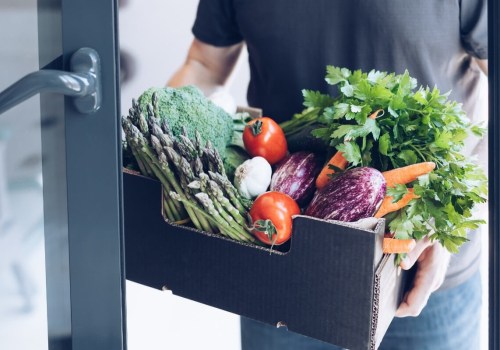
When it comes to farm fresh groceries, few items stand out quite like farm-fresh eggs. These eggs are not just a staple in many households; they represent a commitment to quality, sustainability, and local agriculture. Unlike their mass-produced counterparts, farm-fresh eggs come from hens that are raised in humane conditions, often allowing them to roam freely and forage for natural foods. This not only enhances the well-being of the hens but also significantly improves the nutritional profile of the eggs they produce.Understanding what makes farm-fresh eggs unique is essential for anyone looking to make informed choices about their food.
These eggs are typically collected daily from local farms, ensuring that they reach consumers with minimal time between production and consumption. This freshness translates into richer flavors and vibrant colors, making them a favorite among chefs and home cooks alike. The yolks of farm-fresh eggs are often a deeper shade of yellow or orange, indicating a higher nutrient content, particularly in vitamins A and D.The benefits of choosing farm fresh groceries , particularly eggs, extend beyond just taste and nutrition. By purchasing these products, consumers support local farmers and contribute to the sustainability of their communities.
This choice fosters a direct connection between consumers and producers, promoting transparency in food sourcing. As more people become aware of the environmental impact of their food choices, opting for farm-fresh options becomes not just a dietary preference but a lifestyle choice that aligns with values of health and sustainability.
Nutritional Benefits of Farm-Fresh Eggs
When it comes to nutritional value, farm-fresh eggs stand out as a superior choice compared to their store-bought counterparts. One of the most significant advantages is their higher content of omega-3 fatty acids. These essential fats are crucial for heart health, brain function, and reducing inflammation in the body.Hens that are raised on pasture and allowed to forage naturally tend to produce eggs that are rich in omega-3s, as their diet includes a variety of greens, seeds, and insects.In addition to omega-3s, farm-fresh eggs are also known for their enhanced levels of other vital nutrients:
- Vitamin D: Many people are deficient in vitamin D, which is essential for bone health and immune function. Farm-fresh eggs often contain higher levels of this nutrient due to the hens' exposure to sunlight.
- Vitamin A: This vitamin is important for vision, skin health, and immune function. Eggs from pasture-raised hens typically have more vitamin A because of their natural diet.
- Antioxidants: Farm-fresh eggs contain higher amounts of antioxidants like lutein and zeaxanthin, which are beneficial for eye health and may help reduce the risk of age-related macular degeneration.
- Protein: Eggs are an excellent source of high-quality protein, which is essential for muscle repair and growth. The protein content in farm-fresh eggs is often superior due to the hens' healthier diets.
Consuming these nutrient-dense foods can lead to improved overall well-being. For instance, the higher omega-3 levels can contribute to better cardiovascular health, while the increased vitamins and minerals support a robust immune system.Moreover, choosing farm-fresh eggs not only nourishes your body but also fosters a connection with local agriculture. By supporting local farmers who prioritize sustainable practices, you are investing in your community's health and well-being. This holistic approach to nutrition emphasizes the importance of knowing where your food comes from and how it is produced.In conclusion, the nutritional benefits of farm-fresh eggs make them a valuable addition to any diet.
Their rich content of omega-3 fatty acids, vitamins, and antioxidants not only enhances your meals but also supports your overall health. By opting for these wholesome options, you are making a conscious choice towards a healthier lifestyle.
Taste and Quality: Why Fresh Matters
When it comes to the taste and quality of eggs, the difference between farm-fresh and store-bought varieties is striking. Farm-fresh eggs are often lauded for their rich, vibrant flavor, which can elevate any dish they are used in. This superior taste can be attributed to several factors, including the diet of the hens and the conditions in which they are raised.Hens that are allowed to roam freely and forage for natural foods produce eggs that are not only tastier but also more nutritious.These hens consume a varied diet that includes insects, greens, and grains, leading to eggs with a deeper yellow yolk and a creamier texture. In contrast, store-bought eggs typically come from hens raised in confined spaces with a limited diet, resulting in a more bland flavor profile.
The Impact of Freshness on Flavor
The freshness of farm-fresh eggs plays a crucial role in their taste. Eggs begin to lose their flavor and quality as soon as they are laid. When you purchase eggs directly from a local farm, you are likely getting them within days of being laid, ensuring maximum freshness.This freshness translates into a more robust flavor that can enhance dishes like omelets, quiches, and baked goods.In culinary applications, the difference is palpable. Chefs often prefer farm-fresh eggs for their ability to create dishes with depth and character. For instance, when making a simple scrambled egg dish or a classic carbonara, the richness of farm-fresh eggs can elevate the meal from ordinary to extraordinary.
Quality Comparison: Farm-Fresh vs. Store-Bought
When comparing the quality of farm-fresh eggs to their store-bought counterparts, several key factors come into play:- Shell Strength: Farm-fresh eggs typically have stronger shells due to the hens' healthier diets and living conditions.
- Yolk Color: The yolks of farm-fresh eggs are often darker and more vibrant, indicating higher nutrient content.
- Texture: The whites of fresh eggs tend to be firmer and less watery than those of older store-bought eggs.
- Nutritional Value: Studies have shown that farm-fresh eggs can contain higher levels of omega-3 fatty acids and vitamins compared to conventional eggs.
Whether you’re whipping up breakfast or baking a cake, opting for fresh over processed can make all the difference in flavor and satisfaction.
Supporting Local Farmers and Communities
Choosing to purchase farm-fresh groceries, particularly eggs, is not just a personal choice; it is a powerful way to support local farmers and invigorate community economies. When you buy directly from local farms, you are investing in your community and fostering a sustainable agricultural system that benefits everyone.One of the most significant advantages of buying local is the economic impact it has on your community. Local farmers often reinvest their earnings back into the local economy, creating jobs and supporting other local businesses. This cycle of spending helps to keep money circulating within the community, which can lead to improved infrastructure, better schools, and enhanced public services.Moreover, purchasing farm-fresh eggs and other products directly from farmers helps to ensure that they can continue their operations.Many small-scale farmers face challenges from large agribusinesses that dominate the market. By choosing to buy local, consumers can help sustain these farms, allowing them to thrive and maintain their unique practices that prioritize animal welfare and environmental sustainability.In addition to economic benefits, buying local groceries fosters a sense of community connection. When you visit a local farm or farmers' market, you have the opportunity to meet the people who grow your food. This interaction builds trust and transparency in the food system, as consumers can ask questions about farming practices and learn more about where their food comes from.Furthermore, supporting local farmers contributes to a vibrant community culture.
Farmers' markets often serve as social hubs where people gather not only to shop but also to connect with neighbors and participate in community events. These gatherings promote a sense of belonging and encourage collaboration among residents.In summary, choosing farm-fresh groceries like eggs from local sources is a decision that extends beyond personal health benefits. It plays a crucial role in supporting local economies, fostering community connections, and ensuring the sustainability of agricultural practices that benefit both people and the planet.
Environmental Impact of Choosing Farm-Fresh Eggs
Choosing farm-fresh eggs not only benefits your health but also plays a significant role in promoting environmental sustainability. The methods employed in sustainable farming practices are designed to minimize the ecological footprint while maximizing the health of the land and its inhabitants.One of the primary environmental advantages of opting for farm-fresh groceries, particularly eggs, is the reduction in carbon emissions associated with transportation.When you purchase eggs from local farms, you significantly cut down on the distance food travels from farm to table. This localized supply chain reduces fuel consumption and greenhouse gas emissions, contributing to a healthier planet.Moreover, sustainable farming practices often include rotational grazing and organic feed, which enhance soil health and biodiversity. Rotational grazing allows hens to forage naturally, which not only improves their diet but also promotes soil regeneration. As hens move from one area to another, they help aerate the soil and distribute nutrients through their droppings, fostering a more vibrant ecosystem.Additionally, many local farms prioritize eco-friendly egg production methods that avoid harmful pesticides and fertilizers.
By choosing farm-fresh eggs, consumers support agricultural practices that protect local waterways and wildlife habitats from chemical runoff. This commitment to organic farming not only benefits the environment but also ensures that the eggs produced are free from harmful residues.Another critical aspect of sustainable farming is its focus on animal welfare. Hens raised in humane conditions tend to have better health outcomes, which translates into healthier products for consumers. When animals are treated well, they contribute positively to the ecosystem by maintaining a balanced food web.In conclusion, selecting farm-fresh eggs is a conscious choice that extends beyond personal health benefits.
It supports sustainable farming practices that are vital for reducing our carbon footprint and promoting environmental stewardship. By making this choice, you are not only nourishing your body but also investing in a more sustainable future for our planet.
Transparency and Trust in Food Sourcing
In today’s world, where food production often feels distant and disconnected from our daily lives, transparency in food sourcing has become increasingly vital. When consumers choose to buy farm-fresh groceries, they are not just purchasing food; they are investing in a relationship with their local farmers. This connection fosters a sense of trust that is often lacking in conventional grocery shopping.One of the most significant advantages of sourcing food directly from farmers is the ability to understand the entire production process.When you visit a local farm or farmers' market, you can see firsthand how the animals are raised and how crops are cultivated. This transparency allows consumers to ask questions about farming practices, animal welfare, and the use of pesticides or fertilizers. Knowing where your food comes from and how it is produced can significantly enhance your confidence in its quality.Moreover, building a relationship with local farmers can lead to a deeper appreciation for the food you consume. Many farmers are passionate about their work and are eager to share their knowledge and experiences.
Engaging with them can provide insights into seasonal produce, cooking tips, and even recipes that highlight the best of what they offer. This interaction not only enriches your understanding of food but also strengthens community ties.Additionally, supporting local farms contributes to a more sustainable food system. When you buy directly from farmers, you help reduce the carbon footprint associated with transporting food over long distances. This practice not only benefits the environment but also supports the local economy by keeping money within the community.In conclusion, choosing farm-fresh groceries is about more than just nutrition; it’s about fostering trust and transparency in our food systems.
By knowing your farmer and understanding their practices, you can make informed choices that align with your values while enjoying fresher, healthier food options.
How to Find Quality Farm-Fresh Eggs Near You
Finding quality farm-fresh eggs can be an enjoyable and rewarding experience, especially when you know where to look. Here are some practical tips to help you locate the best sources of fresh eggs in your area.Explore Local Farms
One of the most direct ways to obtain farm-fresh eggs is by visiting local farms. Many farms offer their products directly to consumers, allowing you to see the conditions in which the hens are raised. To find local farms:- Search Online: Use search engines or social media platforms to find farms in your area.
Keywords like "local farms near me" or "farmers selling eggs" can yield useful results.
- Visit Agricultural Fairs: Local agricultural fairs often feature booths from nearby farms. This is a great opportunity to meet farmers and learn about their practices.
- Check Community Boards: Look for flyers or announcements on community boards in grocery stores, libraries, or community centers that may list local farms selling eggs.
Farmers Markets
Farmers markets are another excellent source for farm-fresh groceries, including eggs. These markets typically feature a variety of local vendors, making it easy to compare products and prices. When visiting a farmers market:- Ask Questions: Don’t hesitate to ask farmers about their egg production methods, feed, and hen welfare.
This information can help you make informed choices.
- Look for Certifications: Some farmers may have certifications indicating organic or humane practices, which can assure you of the quality of their eggs.
- Taste Test: Many vendors offer samples. If available, try the eggs before purchasing to ensure they meet your taste preferences.
Community-Supported Agriculture (CSA) Programs
Joining a CSA program is an excellent way to access fresh farm products, including eggs. In a CSA, members pay upfront for a share of the farm's harvest throughout the season. To find a CSA that offers eggs:- Research Local CSAs: Websites like LocalHarvest.org can help you find CSAs in your area that include egg options.
- Understand the Commitment: Be aware that joining a CSA often requires a commitment for a season or longer, so ensure it aligns with your needs.
Not only will you enjoy superior taste and nutrition, but you'll also be supporting local agriculture and sustainable practices in your community.
Frequently Asked Questions About Farm-Fresh Eggs
When it comes to farm-fresh eggs, many consumers have questions and misconceptions that can influence their purchasing decisions. Here, we address some of the most frequently asked questions to help clarify any doubts.What are farm-fresh eggs?
Farm-fresh eggs are typically produced by hens that are raised in a more natural environment compared to those in commercial egg-laying facilities. These hens often have access to outdoor spaces, allowing them to forage for insects and plants, which contributes to the nutritional quality of the eggs they produce.Are farm-fresh eggs really healthier?
Yes, many studies suggest that farm-fresh eggs can be healthier than their store-bought counterparts. They often contain higher levels of omega-3 fatty acids and vitamins due to the hens' varied diets.Additionally, the freshness of these eggs can enhance their flavor and nutritional profile.
How can I tell if an egg is farm-fresh?
- Source: Purchase from local farmers' markets or directly from farms.
- Labeling: Look for labels that indicate the eggs are organic or pasture-raised.
- Appearance: Farm-fresh eggs often have a richer yolk color, which is a sign of a healthy diet.
Do farm-fresh eggs need to be refrigerated?
This can depend on how the eggs are processed. In many cases, farm-fresh eggs can be stored at room temperature for a short period if they are unwashed and still have their protective bloom intact. However, for longer storage, refrigeration is recommended to maintain freshness and prevent spoilage.Are there any misconceptions about farm-fresh eggs?
One common misconception is that all farm-fresh eggs are free from bacteria. While they may have a lower risk of contamination compared to mass-produced eggs, it’s still essential to handle them safely.Always wash your hands after handling raw eggs and cook them thoroughly.Another myth is that farm-fresh eggs are significantly more expensive than store-bought ones. While prices can vary, many local farms offer competitive pricing, especially when considering the quality and nutritional benefits.By understanding these aspects of farm-fresh groceries, consumers can make informed choices that benefit their health and support local agriculture.
Conclusion: The Case for Choosing Farm-Fresh Eggs
In conclusion, the choice to incorporate farm-fresh eggs into your diet is not merely a matter of preference; it is a decision that resonates with numerous benefits for your health, the local economy, and the environment. Throughout this article, we have explored the multifaceted advantages of selecting farm-fresh eggs over their store-bought counterparts.One of the most compelling reasons to choose farm-fresh eggs is their superior nutritional profile. These eggs are often richer in essential nutrients, including omega-3 fatty acids and vitamins, thanks to the hens' natural foraging habits and diets.This not only enhances the flavor but also contributes to a healthier lifestyle.Moreover, purchasing farm-fresh eggs supports local farmers and strengthens community ties. By buying directly from local farms or farmers' markets, you are investing in your community and promoting sustainable agricultural practices. This connection fosters a sense of trust and transparency that is often absent in mass-produced food systems.Additionally, the environmental impact of choosing farm-fresh groceries cannot be overlooked. Local farms typically employ sustainable practices that reduce carbon footprints and promote biodiversity.
By opting for these products, you are playing a part in protecting our planet for future generations.As you consider your grocery shopping habits, remember that every choice counts. By prioritizing farm-fresh eggs, you are not only enhancing your meals with better quality ingredients but also making a positive impact on your community and the environment. The next time you find yourself at the grocery store or farmers' market, take a moment to reflect on the benefits of choosing farm-fresh options.In summary, embracing farm-fresh eggs is a delicious and responsible choice that aligns with a healthier lifestyle and a more sustainable future. Make the switch today and enjoy the myriad benefits that come with it!.