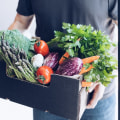
In today's fast-paced world, the significance of fresh produce cannot be overstated. As we navigate through aisles filled with processed foods and convenience items, it’s essential to remember the profound impact that farm fresh groceries can have on our health and well-being. Fresh fruits and vegetables are not just staples in our diets; they are vital sources of essential nutrients that our bodies crave. By choosing fresh produce, we are not only nourishing ourselves but also supporting local farmers and sustainable agricultural practices.The benefits of incorporating fresh produce into our meals extend far beyond mere nutrition.
Consuming a diet rich in fruits and vegetables has been linked to a lower risk of chronic diseases, including heart disease, diabetes, and certain cancers. These natural foods are packed with vitamins, minerals, and antioxidants that help bolster our immune systems and promote overall health. Moreover, the vibrant colors and diverse flavors of fresh produce can transform ordinary meals into culinary delights, making healthy eating an enjoyable experience.Choosing fresh produce also means embracing seasonality. When we opt for fruits and vegetables that are in season, we not only enjoy them at their peak flavor but also benefit from their maximum nutritional value.
Seasonal produce is often harvested at its prime, ensuring that we receive the freshest options available. This practice not only enhances our meals but also encourages us to explore a variety of foods throughout the year, fostering a more diverse and balanced diet.Ultimately, understanding the importance of fresh produce is about making informed choices that positively impact our health and the environment. By prioritizing farm fresh groceries, we empower ourselves to lead healthier lives while supporting local economies. As we delve deeper into this guide on identifying fresh produce, keep in mind the myriad benefits that come from choosing quality ingredients for your meals.
Key Indicators of Freshness
When it comes to selecting farm fresh groceries, understanding the key indicators of freshness is essential for making informed choices.Here are some primary visual and sensory cues to help you identify fresh produce:
- Color: The color of fruits and vegetables is often the first indicator of their freshness. Look for vibrant, rich colors that are characteristic of the specific produce. For instance, ripe tomatoes should be a deep red, while bell peppers should exhibit a bright green or red hue. Dull or faded colors can suggest that the produce is overripe or has been stored for too long.
- Texture: Fresh produce typically has a firm texture.
When selecting vegetables like cucumbers or carrots, gently squeeze them; they should feel crisp and solid. Soft spots or wrinkles can indicate that the produce is past its prime. For fruits, such as peaches or avocados, a slight give when pressed can signify ripeness, but excessive softness may mean they are overripe.
- Aroma: The scent of fruits and vegetables can provide valuable insights into their freshness. Fresh produce often has a pleasant, natural aroma.
For example, ripe strawberries emit a sweet fragrance, while citrus fruits like oranges should have a zesty scent. If you detect any off-putting or fermented odors, it’s best to avoid those items.
- Leaves and Stems: For leafy greens like spinach or kale, check the leaves for crispness and vibrant color. Wilted or yellowing leaves are signs of age. Similarly, for herbs like cilantro or parsley, fresh stems should be firm and green rather than brown or limp.
- Seasonality: Understanding what’s in season can also guide your selection process.
Produce that is in season is more likely to be fresh and flavorful since it hasn’t traveled long distances to reach your local market. Familiarize yourself with seasonal produce in your area to ensure you’re choosing items at their peak.
The Role of Color in Identifying Fresh Produce
When it comes to selecting farm fresh groceries, color plays a pivotal role in determining the freshness and quality of produce. The vibrant hues of fruits and vegetables are not just visually appealing; they are also indicators of ripeness and nutritional value. Understanding how color correlates with freshness can significantly enhance your grocery shopping experience.Color Indicators of Freshness
- Green: A rich, deep green color in leafy vegetables like spinach, kale, and romaine lettuce signifies freshness.
Dull or yellowing greens may indicate age or poor quality.
- Red: Bright red tomatoes and strawberries are typically at their peak ripeness. If the color is faded or has brown spots, it may suggest overripeness or spoilage.
- Yellow and Orange: Fruits such as bananas and oranges should exhibit a vibrant yellow or orange hue. A dull appearance can indicate that they are past their prime.
- Purple: Eggplants and purple cabbage should have a glossy, rich purple color. A lack of luster may suggest that they are not fresh.
How Color Affects Produce Quality
The intensity of color in produce is often linked to its nutrient content.
For instance, darker greens are generally higher in vitamins A and K, while brightly colored fruits like berries are packed with antioxidants. When selecting fresh produce, opt for those with the most vibrant colors, as they are likely to offer superior taste and health benefits.
Using Color as a Guide
When shopping for groceries, take a moment to assess the colors of the produce you’re considering. Here are some tips:
- Look for uniformity in color; inconsistencies can indicate uneven ripening.
- Avoid produce with blemishes or discoloration, as these can be signs of decay.
- Trust your instincts—if a fruit or vegetable looks dull or lifeless, it’s best to pass on it.
Texture and Firmness: The Feel Test
When it comes to selecting farm fresh groceries, texture and firmness are critical indicators of produce freshness.These tactile qualities can reveal a lot about the ripeness and overall quality of fruits and vegetables. Understanding how to assess these characteristics can significantly enhance your shopping experience and ensure you bring home the best possible produce.
Understanding Texture Indicators
The texture of fruits and vegetables can vary widely, but certain textures are associated with freshness. For instance, fresh vegetables should feel crisp and firm to the touch. A good way to gauge this is by gently squeezing or pressing the produce.
If it yields easily or feels mushy, it may be overripe or starting to spoil.Here are some specific texture indicators to look for:
- Leafy Greens: Fresh greens like spinach or kale should feel crisp and have a slight crunch when you handle them. Wilted or limp leaves indicate age.
- Root Vegetables: Carrots, radishes, and potatoes should feel solid and firm. Soft spots or wrinkles suggest they are past their prime.
- Fruits: Apples and pears should feel firm without any soft spots. A slight give when pressed can indicate ripeness, but excessive softness is a red flag.
How to Check Firmness in Produce
To effectively check the firmness of produce, follow these simple steps:
- Use Your Hands: Gently squeeze the fruit or vegetable with your fingers.
A fresh item will resist pressure and feel solid.
- Inspect for Soft Spots: Run your fingers over the surface to check for any areas that feel softer than the rest. These spots can indicate overripeness or decay.
- Check for Blemishes: Look for any unusual textures such as wrinkles, bruises, or blemishes that could suggest the produce is not fresh.
The Feel Test for Fruits and Vegetables
The "feel test" is an essential skill for anyone looking to purchase high-quality produce. It involves using your sense of touch to assess the quality of fruits and vegetables before buying them. Here are some tips to master this technique:
- Practice Makes Perfect: The more you handle different types of produce, the better you will become at identifying freshness through texture.
- Know Your Produce: Familiarize yourself with the typical textures of various fruits and vegetables so you can easily spot deviations from the norm.
- Trust Your Instincts: If something feels off, don’t hesitate to choose another piece of produce.
Trusting your senses is key to selecting farm fresh groceries.
Aroma: The Scent of Freshness
When it comes to selecting farm fresh groceries, the aroma of fruits and vegetables can be one of the most telling indicators of their freshness. The scent emitted by produce is not just a pleasant experience; it serves as a natural signal of ripeness and quality. Understanding how to interpret these scents can significantly enhance your ability to choose the best items at the market.How Smell Indicates Freshness
The olfactory cues from fruits and vegetables are often linked to their chemical composition.
As produce ripens, it releases volatile compounds that contribute to its aroma. For instance, ripe peaches emit a sweet, floral scent due to the presence of esters, while bananas release isoamyl acetate, which gives them their characteristic smell. When you encounter these delightful fragrances, it’s a strong indication that the produce is at its peak.Conversely, if you detect a sour or fermented odor, this may suggest that the fruit or vegetable is overripe or beginning to spoil. For example, a rotten tomato will often have an unpleasant smell that is markedly different from its fresh counterpart.
Therefore, using your sense of smell can be an effective way to gauge the condition of your produce before making a purchase.
Aroma Testing for Fruits and Vegetables
To effectively use aroma as a tool for selection, consider the following tips:
- Get Close: Lean in and take a gentle sniff of the produce. This will help you capture its true scent without overwhelming your senses.
- Look for Sweetness: A sweet aroma typically indicates ripeness in fruits like melons and strawberries. If they smell bland or lack fragrance, they may not be fresh.
- Check for Earthy Notes: Vegetables such as carrots and potatoes should have a clean, earthy smell. A musty or off-putting odor can indicate decay.
Scent Indicators of Quality Produce
Different types of produce have unique scent profiles that can help you identify quality:
- Citrus Fruits: Oranges and lemons should have a bright, zesty aroma.
A lack of scent may suggest they are not fresh.
- Berries: Fresh berries should emit a sweet and slightly tangy fragrance. If they smell overly sweet or fermented, they may be past their prime.
- Herbs: Fresh herbs like basil and cilantro should have a strong, aromatic scent. If they smell wilted or lack fragrance, they may not be fresh.
Seasonality: Why It Matters for Freshness
Understanding the concept of seasonality in produce is crucial for anyone looking to purchase farm fresh groceries.Seasonality refers to the time of year when certain fruits and vegetables are at their peak in terms of flavor, nutrition, and availability. When you buy seasonal produce, you are not only supporting local farmers but also ensuring that you are getting the freshest and most flavorful options available.
Benefits of Buying Seasonal Produce
- Enhanced Flavor: Seasonal fruits and vegetables are harvested at their peak ripeness, which means they are bursting with flavor. For instance, tomatoes in summer are sweeter and juicier compared to those grown in winter.
- Higher Nutritional Value: Produce that is in season is often more nutrient-dense. This is because it has been allowed to ripen naturally on the vine or plant, leading to a higher concentration of vitamins and minerals.
- Cost-Effectiveness: Seasonal produce is typically more affordable.
When fruits and vegetables are in abundance, prices tend to drop, making it easier for consumers to enjoy high-quality food without breaking the bank.
- Environmental Impact: Purchasing seasonal produce often means buying locally grown items that require less transportation. This reduces carbon emissions associated with long-distance shipping and supports sustainable farming practices.
The Impact of Seasonality on Freshness
The freshness of produce is significantly influenced by its seasonality. When fruits and vegetables are out of season, they may be harvested prematurely to withstand long transport times, resulting in a lack of flavor and nutrients. For example, strawberries picked in winter may be shipped from far-off locations, leading to a less-than-ideal taste and texture.In contrast, when you choose to buy seasonal items from local farmers' markets or grocery stores, you can enjoy the benefits of freshly harvested produce that has not traveled far.
This not only enhances your meals but also contributes positively to your overall health.In conclusion, embracing seasonality when shopping for farm fresh groceries can lead to a more enjoyable culinary experience. By prioritizing seasonal fruits and vegetables, you ensure that your meals are not only delicious but also packed with essential nutrients while supporting local agriculture.
Buying Local: The Farm-to-Table Advantage
When it comes to purchasing farm fresh groceries, buying local offers a multitude of advantages that extend beyond just the quality of the produce. One of the most significant benefits is the enhanced freshness of the fruits and vegetables you bring home. Local produce is typically harvested at its peak ripeness, ensuring that you receive items bursting with flavor and nutrients.Unlike produce that has traveled long distances, which can take days or even weeks to reach your grocery store, local options are often available within hours of being picked.Moreover, supporting local farmers contributes to the sustainability of your community. By choosing to buy from nearby farms, you are not only investing in your health but also in the local economy. This practice helps to keep small farms viable, allowing them to continue their operations and maintain agricultural traditions. When you purchase local fruits and vegetables, you are directly supporting the livelihoods of farmers who are dedicated to sustainable practices and responsible land stewardship.Another compelling reason to opt for local produce is the reduction in environmental impact.
Transporting food over long distances requires significant energy and resources, contributing to greenhouse gas emissions. By sourcing your groceries locally, you help minimize this carbon footprint, making a positive impact on the environment.Additionally, buying local often means that you have access to a wider variety of seasonal produce. Farmers' markets and local grocery stores frequently showcase unique varieties that may not be available in larger chain stores. This diversity not only enhances your culinary experiences but also encourages you to try new recipes and flavors.In conclusion, the farm-to-table movement emphasizes the importance of connecting consumers with their food sources.
By choosing local produce, you enjoy fresher, tastier options while supporting your community and promoting sustainable practices. The next time you're shopping for groceries, consider visiting a local farmer's market or a farm stand to experience the true benefits of buying local.
Common Mistakes When Selecting Produce
When it comes to selecting farm fresh groceries, many consumers unknowingly fall into common traps that can lead to disappointing purchases. Understanding these pitfalls can help you make better choices and ensure that you bring home the highest quality produce. Here are some frequent mistakes to avoid:- Ignoring Seasonality: One of the biggest errors is not considering the seasonality of fruits and vegetables.
Produce that is out of season may have traveled long distances, resulting in diminished flavor and nutritional value. Always check what’s in season in your area to enjoy the freshest options.
- Focusing Solely on Appearance: While vibrant colors and a flawless exterior can be indicators of freshness, they are not the only factors to consider. Some fruits and vegetables may look perfect but could be overripe or lacking in flavor. Always use your senses—smell, touch, and even taste when possible—to assess quality.
- Neglecting to Check for Soft Spots: Soft spots or blemishes can indicate that produce is past its prime or has begun to rot.
When selecting items like tomatoes or peaches, gently squeeze them to check for firmness. A fresh piece of fruit should feel slightly firm but yield just a bit under pressure.
- Overlooking Local Sources: Many shoppers default to large grocery chains without considering local farmers' markets or community-supported agriculture (CSA) programs. Local produce is often fresher and more flavorful since it doesn’t have to endure long shipping times.
- Buying in Bulk Without a Plan: While purchasing in bulk can save money, it can also lead to waste if you don’t have a plan for using all that produce before it spoils. Be mindful of how much you can realistically consume within a week.
- Not Asking Questions: Don’t hesitate to engage with vendors at farmers' markets or grocery stores.
Ask about the origin of the produce, how it was grown, and when it was harvested. This information can provide valuable insights into the freshness and quality of what you’re buying.
FAQs About Identifying Fresh Produce
When it comes to selecting farm fresh groceries, many consumers have questions about how to ensure they are choosing the best produce. Below are some frequently asked questions that can help clarify common doubts and provide valuable insights into identifying fresh fruits and vegetables.What are the signs of fresh produce?
Fresh produce typically exhibits several key characteristics:- Color: Look for vibrant, rich colors.
For example, ripe tomatoes should be deep red, while bell peppers should be bright green or red, depending on the variety.
- Texture: Fresh fruits and vegetables should feel firm to the touch. Soft spots or wrinkles can indicate overripeness or spoilage.
- Aroma: A pleasant, natural scent is a good indicator of freshness. For instance, ripe peaches should have a sweet fragrance.
- Seasonality: Purchasing in-season produce often means it is fresher and more flavorful. Check local guides to know what’s in season.
How can I tell if leafy greens are fresh?
When selecting leafy greens like spinach or kale, look for:- Crispness: Fresh greens should be crisp and not wilted.
- Color: Bright green leaves indicate freshness, while yellowing leaves may suggest age.
- No blemishes: Avoid greens with brown spots or holes, as these can indicate pests or decay.
Is it better to buy organic produce?
While organic produce is often perceived as fresher due to its lack of preservatives and pesticides, it’s essential to consider your local options.Many local farms offer fresh, non-organic produce that is harvested daily. Always check for freshness indicators regardless of whether the produce is organic or conventional.
What should I avoid when selecting fruits?
Avoid fruits that have:- Dull skin: This can indicate that the fruit is past its prime.
- Excessive bruising: Bruises can lead to faster spoilage.
- An overpowering smell: While some fruits have strong aromas when ripe, an unpleasant odor often signals overripeness or spoilage.
Conclusion: Making Informed Choices for Healthier Eating
In conclusion, making informed choices when selecting farm fresh groceries is essential for enhancing your overall health and well-being. Throughout this guide, we have explored various indicators of freshness that can help you identify high-quality produce. By understanding these factors, you can ensure that the fruits and vegetables you bring home are not only delicious but also packed with vital nutrients.One of the most significant aspects to consider is the visual appeal of the produce.Bright, vibrant colors often indicate freshness and ripeness, while dull or faded hues may suggest that the item is past its prime. Additionally, examining the texture of fruits and vegetables is crucial; crispness is a hallmark of freshness, whereas soft spots can be a sign of spoilage.Seasonality plays a pivotal role in determining the quality of your groceries. When you choose in-season produce, you are more likely to enjoy items that are fresher and more flavorful. Not only does this support local farmers, but it also reduces the carbon footprint associated with transporting out-of-season goods from distant locations.Moreover, the aroma of fresh produce can be a reliable indicator of its quality.
A strong, pleasant scent often signifies ripeness and flavor, while any unpleasant odors may indicate that the item is overripe or spoiled. By incorporating these sensory evaluations into your shopping routine, you can make better choices that align with your health goals.Ultimately, being knowledgeable about how to identify fresh produce empowers you to make healthier eating decisions. By prioritizing farm fresh groceries, you not only enhance your meals but also contribute to a sustainable food system. Remember that every time you choose fresh fruits and vegetables, you are investing in your health and supporting local agriculture.As you continue your journey towards healthier eating habits, keep these tips in mind.
The next time you visit your local market or grocery store, take a moment to assess the freshness of the produce available to you. Your body will thank you for it!.