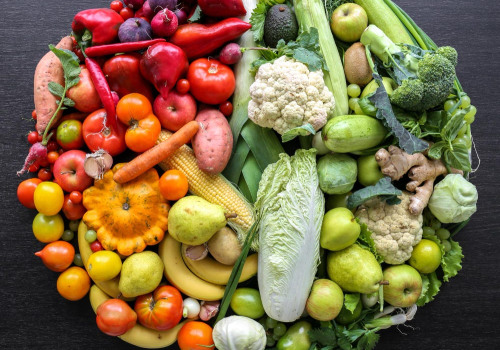
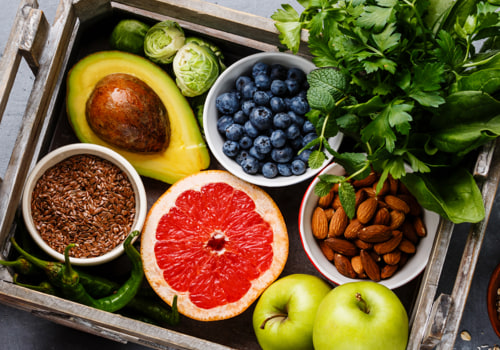
When it comes to cooking, the freshness of your ingredients can make all the difference. Vegetables that are picked at their peak ripeness not only boast vibrant colors and appealing textures but also deliver a flavor profile that is unmatched by those that have been stored for long periods. The concept of farm fresh groceries is essential in understanding how the quality of produce directly impacts the taste of your dishes. Fresh vegetables are often harvested in the early morning and delivered to local markets within hours, ensuring that they retain their natural sugars and nutrients, which can diminish over time.The benefits of using fresh vegetables extend beyond just flavor; they also contribute to a healthier diet.
Fresh produce is packed with vitamins, minerals, and antioxidants that are vital for maintaining good health. When you choose farm fresh groceries, you are not only enhancing the taste of your meals but also investing in your well-being. The nutritional value of vegetables diminishes as they age, so opting for fresh options means you’re getting the most out of your ingredients.Moreover, the flavor enhancement that comes from using fresh vegetables cannot be overstated. The natural sweetness of a freshly picked carrot or the crispness of a garden-fresh cucumber can elevate even the simplest of dishes.
Techniques such as roasting or grilling can further amplify these flavors, allowing the inherent qualities of the vegetables to shine through without being masked by heavy sauces or overpowering spices. By prioritizing freshness, you create an opportunity to explore and appreciate the true essence of each vegetable.
Choosing the Right Farm Fresh Groceries
When it comes to selecting farm fresh groceries, understanding how to choose the best vegetables is essential for enhancing your culinary experience. The quality of your produce can significantly impact the flavor and nutritional value of your meals. Here are some tips to help you make informed choices:- Know Your Seasons: Different vegetables thrive in different seasons.
Familiarizing yourself with seasonal produce not only ensures better flavor but also supports local farmers. For instance, tomatoes and corn are typically at their peak in summer, while root vegetables like carrots and potatoes shine in the fall and winter.
- Look for Vibrant Colors: Fresh vegetables should have bright, vibrant colors. This is often an indicator of ripeness and nutrient density. For example, deep green leafy vegetables like kale or spinach are usually more nutritious than their paler counterparts.
- Check for Firmness: When selecting vegetables, gently squeeze them to assess their firmness.
Fresh produce should feel solid and not overly soft or mushy. For instance, a ripe bell pepper should be firm to the touch, indicating freshness.
- Avoid Bruises and Blemishes: Inspect your vegetables for any signs of damage. Bruises, cuts, or blemishes can indicate that the produce is past its prime or has been improperly handled. Choose items that are free from these imperfections.
- Smell Matters: Trust your nose! Fresh vegetables often have a distinct aroma that indicates their freshness.
For example, fresh herbs should smell fragrant and vibrant, while wilted greens may have a less appealing scent.
The Role of Seasoning and Ingredients
When it comes to elevating the flavor of fresh vegetables, the role of seasoning and ingredients cannot be overstated. The right combination of herbs, spices, and other flavor enhancers can transform a simple vegetable dish into a culinary masterpiece.Here’s how you can effectively use seasoning to bring out the best in your farm fresh groceries.
Understanding the Basics of Seasoning
Seasoning is not just about adding salt and pepper; it’s about enhancing the natural flavors of your vegetables. Here are some essential tips:- Salt: A fundamental seasoning that helps to draw out moisture and enhance flavors. Use it sparingly at first, as you can always add more.
- Pepper: Freshly ground black pepper adds a subtle heat that complements many vegetables.
- Acidity: Ingredients like lemon juice or vinegar can brighten up the flavors and balance richness.
The Power of Fresh Herbs
Fresh herbs are a game changer when it comes to flavoring vegetables. They not only add depth but also bring a burst of freshness.Here are some of the best herbs to consider:
- Basil: Perfect for tomatoes, zucchini, and eggplant, basil adds a sweet and slightly peppery flavor.
- Cilantro: Great for adding a fresh, citrusy note to dishes like corn salad or roasted carrots.
- Dill: Works wonderfully with cucumbers and green beans, providing a light, tangy flavor.
- Thyme: Its earthy notes pair well with root vegetables and roasted dishes.
Flavoring with Spices
Spices can add warmth and complexity to your vegetable dishes. Here are some spices that work particularly well:- Cumin: Adds a warm, nutty flavor that enhances roasted vegetables.
- Paprika: Whether sweet or smoked, paprika can give depth to sautéed or grilled veggies.
- Curry Powder: A blend of spices that can transform ordinary vegetables into an exotic dish.
Incorporating Fresh Herbs and Citrus
When it comes to enhancing the flavor of fresh vegetables, few ingredients can compete with the vibrant essence of fresh herbs and citrus.These natural flavor enhancers not only elevate the taste of your dishes but also add a refreshing brightness that can transform even the simplest vegetable preparations into culinary delights.
Using Fresh Herbs in Cooking
Fresh herbs are a fantastic way to introduce layers of flavor to your vegetable dishes. Here are some popular herbs and how they can be used:- Basil: This aromatic herb pairs beautifully with tomatoes, making it an ideal addition to salads or roasted vegetable medleys. Try tossing fresh basil leaves with sliced heirloom tomatoes, a drizzle of olive oil, and a sprinkle of sea salt for a simple yet delicious side dish. This aromatic herb pairs beautifully with tomatoes, making it an ideal addition to salads or roasted vegetable medleys. Try tossing fresh basil leaves with sliced heirloom tomatoes, a drizzle of olive oil, and a sprinkle of sea salt for a simple yet delicious side dish.
- Cilantro: Known for its bright, citrusy flavor, cilantro works wonders in dishes featuring corn, beans, or avocados. Consider adding chopped cilantro to a corn salad or guacamole for an extra burst of freshness.
- Dill: With its unique flavor profile, dill complements vegetables like cucumbers and carrots.
A dill-infused yogurt sauce can serve as a delightful dip for raw veggies or a dressing for potato salads.
- Thyme: This herb has earthy notes that pair well with root vegetables. Roasting carrots or potatoes with thyme and garlic can create a comforting side dish that highlights their natural sweetness.
The Power of Citrus
Citrus fruits such as lemons, limes, and oranges are excellent for brightening up vegetable dishes. Their acidity can cut through richness and enhance flavors:- Lemon Juice: A squeeze of fresh lemon juice can elevate steamed broccoli or sautéed green beans. The acidity balances the natural sweetness of the vegetables and adds a refreshing zing.
- Lime Zest: Incorporating lime zest into a stir-fry with bell peppers and snap peas can add an unexpected twist.
The zest provides an aromatic quality that enhances the overall dish.
- Orange Segments: Adding segments of orange to a salad featuring mixed greens and roasted beets creates a delightful contrast in flavors and textures. The sweetness of the orange complements the earthiness of the beets beautifully.
Raw vs.
Cooked: When to Serve Vegetables FreshWhen it comes to serving vegetables, the debate between raw and cooked options is a common one. Each method has its own set of benefits, and understanding these can help you make informed choices that enhance both flavor and nutrition.
Raw Vegetables: A Nutritional Powerhouse
Raw vegetables are often celebrated for their high nutrient content. Many vitamins, such as vitamin C and certain B vitamins, are sensitive to heat and can be diminished during cooking. For instance, bell peppers, broccoli, and spinach retain more of their nutrients when consumed raw.
Additionally, raw vegetables are rich in dietary fiber, which aids digestion and promotes a feeling of fullness.Serving fresh vegetables raw also allows their natural flavors to shine through. Crunchy carrots, crisp cucumbers, and juicy tomatoes can be enjoyed in salads or as snacks, providing a refreshing contrast to heavier dishes. Pairing them with dips like hummus or yogurt-based dressings can further enhance their appeal.
Cooked Vegetables: Unlocking Flavor and Digestibility
On the other hand, cooking vegetables can unlock new flavors and make certain nutrients more bioavailable. For example, cooking tomatoes increases the levels of lycopene, an antioxidant linked to various health benefits.
Similarly, steaming or sautéing asparagus can enhance its flavor while making it easier to digest.Some vegetables are best enjoyed cooked due to their tough textures or potential bitterness when raw.
Brussels sprouts
, for instance, can be quite bitter when eaten raw but develop a sweet, nutty flavor when roasted. Cooking methods like grilling or roasting can also caramelize the natural sugars in vegetables, creating a depth of flavor that is hard to achieve with raw preparations.Finding the Right Balance
The key to maximizing the benefits of both raw and cooked vegetables lies in variety. Incorporating a mix of both into your meals not only enhances flavor but also ensures a broader spectrum of nutrients.
For example, consider serving a salad topped with roasted vegetables or pairing fresh veggie sticks with a warm vegetable soup.Ultimately, the choice between raw and cooked vegetables should depend on personal preference and the specific dish being prepared. By experimenting with different preparations, you can discover which methods best highlight the unique flavors of your favorite farm fresh groceries.
Creative Ways to Use Fresh Vegetables in Meals
When it comes to incorporating farm fresh groceries into your meals, the possibilities are endless. Fresh vegetables not only add vibrant colors and textures to your dishes but also enhance the nutritional value. Here are some creative ways to use fresh vegetables that will inspire you to think outside the box.1.Vegetable-Loaded Breakfast Bowls
Start your day with a nutritious breakfast bowl packed with fresh vegetables.Combine sautéed spinach, diced tomatoes, and bell peppers with scrambled eggs or tofu for a protein-rich meal. Top it off with avocado slices and a sprinkle of feta cheese for added flavor.
2.Colorful Veggie Wraps
Wraps are a fantastic way to enjoy fresh vegetables on the go. Use large lettuce leaves or whole-grain tortillas as your base and fill them with an assortment of farm-fresh veggies like shredded carrots, cucumber slices, and roasted red peppers. Add hummus or a yogurt-based dressing for extra creaminess.3.Creative Salads
Salads don’t have to be boring! Experiment with different combinations of fresh vegetables to create exciting salads.Try mixing arugula with roasted beets, goat cheese, and walnuts for a delightful contrast of flavors. Alternatively, toss together kale, sliced apples, and sunflower seeds with a tangy vinaigrette for a refreshing crunch.
4.Grilled Vegetable Skewers
Grilling is an excellent way to bring out the natural sweetness of fresh vegetables. Create skewers using zucchini, cherry tomatoes, bell peppers, and mushrooms. Brush them with olive oil and season with herbs before grilling for a smoky flavor that pairs perfectly with any main dish.5.Vegetable Stir-Fry
A quick stir-fry is an ideal method for using up a variety of fresh vegetables.Sauté your choice of veggies such as broccoli, snap peas, and carrots in a hot pan with garlic and ginger. Add soy sauce or teriyaki sauce for an umami kick, and serve it over rice or quinoa for a complete meal.
6.Homemade Vegetable Soups
Nothing warms the soul like a hearty vegetable soup made from fresh produce. Start by sautéing onions and garlic in olive oil, then add chopped carrots, celery, and any other seasonal vegetables you have on hand. Pour in vegetable broth and let it simmer until everything is tender.Blend it for a creamy texture or leave it chunky for more bite.By incorporating these creative ideas into your cooking routine, you can elevate your meals while making the most of farm fresh groceries. Not only will you enjoy delicious flavors, but you'll also embrace healthier eating habits that celebrate the bounty of nature's harvest.
Common Mistakes When Cooking Vegetables
Cooking vegetables can be a delightful experience, but many home cooks often fall into common traps that can diminish the natural flavors and textures of these farm fresh groceries. Understanding these pitfalls is essential for anyone looking to elevate their vegetable dishes.1.Overcooking Vegetables
One of the most prevalent mistakes is overcooking vegetables. When subjected to high heat for too long, vegetables can lose their vibrant colors, essential nutrients, and crisp textures.
To avoid this:
- Monitor Cooking Times: Different vegetables have varying cooking times. For instance, asparagus may only need a few minutes to steam, while carrots might require a bit longer. Always refer to cooking guides for specific timings.
- Use the Right Cooking Method: Opt for methods that preserve texture and flavor, such as steaming, sautéing, or roasting at moderate temperatures. Avoid boiling unless necessary, as it can leach out nutrients.
- Test for Doneness: Use a fork or knife to check if the vegetables are tender but still firm.
They should retain a slight crunch.
2.Neglecting Seasoning
Another common error is under-seasoning vegetables. Fresh produce often benefits from a touch of seasoning to enhance its natural flavors. Here are some tips:
- Salt Early: Adding salt at the beginning of cooking can help draw out moisture and intensify flavors. However, be cautious not to overdo it.
- Incorporate Fresh Herbs: Fresh herbs like basil, parsley, or thyme can elevate the taste profile significantly.
Add them towards the end of cooking to maintain their freshness.
- Experiment with Acidity: A splash of lemon juice or vinegar can brighten up the dish and balance flavors beautifully.
3.Ignoring Texture
The texture of vegetables plays a crucial role in their appeal. Many cooks overlook this aspect, leading to mushy or unappetizing results. To maintain an appealing texture:
- Cut Uniformly: Ensure that all pieces are cut to similar sizes for even cooking.
- Stagger Cooking Times: Add denser vegetables like potatoes earlier in the cooking process and more delicate ones like spinach later.
FAQs About Elevating Vegetable Flavor
When it comes to enhancing the flavor of fresh vegetables, many home cooks have questions.Here are some frequently asked questions that can help you elevate your vegetable dishes.
What are the best cooking methods for enhancing vegetable flavor?
Different cooking methods can significantly impact the taste of vegetables. Here are a few techniques:- Roasting: This method caramelizes the natural sugars in vegetables, creating a rich, sweet flavor. Toss your farm fresh groceries in olive oil, salt, and your favorite herbs before roasting at high temperatures.
- Grilling: Grilling adds a smoky flavor that can enhance the taste of vegetables like bell peppers, zucchini, and corn. Brush them with a marinade or oil to prevent sticking and add flavor.
- Sautéing: Quickly cooking vegetables in a hot pan with a small amount of oil allows them to retain their crunch while absorbing flavors from garlic, onions, or spices.
- Steaming: This method preserves nutrients and natural flavors.
For added taste, consider seasoning the water with herbs or citrus.
How can I make bland vegetables taste better?
If you find certain vegetables lacking in flavor, try these tips:- Add acidity: A splash of vinegar or a squeeze of lemon juice can brighten up the flavors of steamed or roasted vegetables.
- Use fresh herbs: Incorporating fresh herbs like basil, parsley, or cilantro can add depth and freshness to your dishes.
- Experiment with spices: Spices such as cumin, paprika, or chili powder can transform the taste profile of your vegetables.
- Incorporate umami-rich ingredients: Adding ingredients like soy sauce, miso paste, or nutritional yeast can enhance the savory notes in your vegetable dishes.
Is it better to eat vegetables raw or cooked?
The answer depends on the type of vegetable and personal preference. Some vegetables, like carrots and bell peppers, are delicious raw and retain their nutrients. Others, such as broccoli and spinach, may be more palatable when cooked. Cooking can also make certain nutrients more bioavailable.Experiment with both methods to discover what you enjoy most!By addressing these common questions about cooking vegetables, you can unlock new flavors and enjoy your farm fresh groceries in exciting ways.
Conclusion: Embracing Farm Fresh Groceries for Flavorful Dishes
In conclusion, the journey to enhancing the flavor of fresh vegetables begins with the choice of ingredients, particularly when it comes to farm fresh groceries. By selecting produce that is harvested at its peak ripeness, you not only support local farmers but also ensure that your meals are bursting with flavor and nutrients. The vibrant colors and rich textures of freshly picked vegetables can transform any dish into a culinary masterpiece.Throughout this article, we have explored various techniques and tips to elevate the taste of vegetables. From simple seasoning with herbs and spices to innovative cooking methods like roasting and grilling, each approach plays a crucial role in bringing out the natural essence of your ingredients.Remember, the goal is to enhance, not overpower, the inherent flavors of your vegetables.Moreover, incorporating fresh herbs and citrus can add layers of complexity to your dishes. A sprinkle of basil or a squeeze of lemon can make a world of difference, turning a mundane vegetable side into a standout feature of your meal. This is especially true when working with farm fresh groceries, as their flavors are more pronounced and vibrant.As you embrace these practices in your cooking, consider the importance of variety. Experimenting with different types of vegetables and preparation methods can lead to delightful discoveries.
Whether you’re creating a hearty salad, a comforting stir-fry, or a refreshing smoothie, the possibilities are endless when you start with quality ingredients.Ultimately, the secret to elevating the flavor of fresh vegetables lies in your hands. By prioritizing farm fresh groceries, you not only enhance your culinary creations but also contribute to a sustainable food system. So next time you’re at the market or planning your meals, remember that choosing fresh, local produce is key to unlocking the full potential of your vegetable dishes.