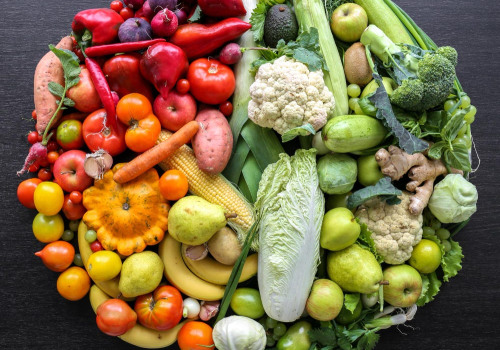
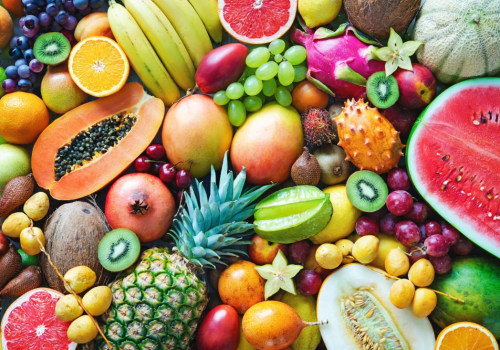
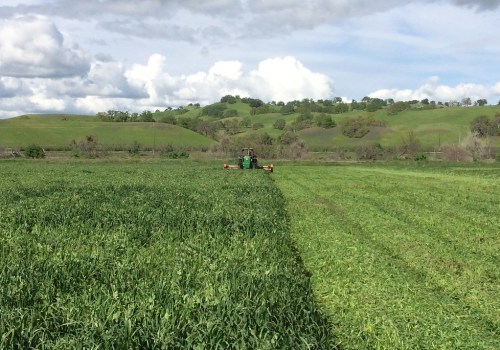
In an era where food choices are abundant yet often disconnected from their origins, the concept of farm-fresh produce emerges as a beacon of health and sustainability. But what exactly does it mean to consume farm-fresh groceries? At its core, farm-fresh produce refers to fruits, vegetables, and other food items that are grown and harvested locally, typically within a short distance from where they are sold. This proximity not only ensures that the produce is picked at its peak ripeness but also minimizes the time it spends in transit, preserving its nutritional value and flavor.The significance of farm-fresh groceries extends beyond mere convenience; it encompasses a holistic approach to food that prioritizes health, community, and environmental sustainability. When you choose farm-fresh options, you are opting for produce that is often free from harmful pesticides and chemicals commonly used in large-scale agriculture.
This choice not only benefits your health but also supports local farmers who practice sustainable farming methods. By investing in local agriculture, consumers contribute to a more resilient food system that can withstand economic fluctuations and environmental challenges.Moreover, the taste of farm-fresh produce is often unparalleled compared to store-bought alternatives. Many people who have experienced the vibrant flavors of freshly harvested tomatoes or sweet corn straight from the field can attest to the difference. Store-bought produce is frequently harvested before it reaches full maturity to withstand long shipping times, resulting in a product that may look appealing but lacks the rich taste and nutritional density of its locally grown counterparts.
This stark contrast highlights the importance of understanding not just what we eat, but where it comes from and how it is produced.As we delve deeper into the benefits of farm-fresh groceries throughout this article, we will explore how these choices can enhance our health, support local economies, and foster a deeper connection with our food sources. Understanding the value of farm-fresh produce is not just about making informed dietary choices; it's about embracing a lifestyle that honors our health and the environment.
Nutritional Benefits of Farm-Fresh Groceries
When it comes to farm-fresh groceries, one of the most compelling reasons to choose them over store-bought alternatives is their superior nutritional value. Unlike produce that is harvested prematurely for transportation, farm-fresh items are picked at their peak ripeness, ensuring they are brimming with essential vitamins and minerals.Fresh fruits and vegetables are not only more flavorful but also significantly more nutritious. For instance, a tomato that has ripened on the vine absorbs sunlight and nutrients from the soil, resulting in a product that is rich in vitamin C , potassium , and various antioxidants.These nutrients play a crucial role in supporting immune function, reducing inflammation, and promoting overall health.Moreover, the nutritional benefits of farm-fresh produce extend beyond just vitamins. Many fresh fruits and vegetables are excellent sources of dietary fiber, which is essential for digestive health. Fiber helps regulate bowel movements, lowers cholesterol levels, and can even aid in weight management by promoting a feeling of fullness.
Key Vitamins Found in Farm-Fresh Produce
- Vitamin A: Found in carrots, sweet potatoes, and leafy greens, this vitamin is vital for maintaining healthy vision and skin.
- Vitamin K: Crucial for blood clotting and bone health, vitamin K is abundant in kale, spinach, and broccoli.
- Folate: Essential for DNA synthesis and repair, folate is particularly important for pregnant women. It can be found in high amounts in leafy greens and legumes.
- Vitamin E: An antioxidant that helps protect cells from damage, vitamin E is present in nuts, seeds, and green vegetables.
Regularly incorporating farm-fresh produce into your diet can lead to improved heart health, enhanced cognitive function, and a lower risk of chronic diseases such as diabetes and cancer. Additionally, the vibrant colors of fresh fruits and vegetables often indicate the presence of various phytonutrients that contribute to their health-promoting properties.In conclusion, choosing farm-fresh groceries not only supports local farmers but also provides you with a wealth of nutritional benefits that can enhance your overall well-being. By prioritizing fresh produce in your diet, you are making a conscious choice to nourish your body with the best nature has to offer.
Taste and Quality: Why Fresh Matters
When it comes to the culinary world, the taste of farm-fresh produce is often unparalleled. The journey from farm to table is significantly shorter for locally sourced fruits and vegetables, allowing them to retain their natural flavors and nutrients.Unlike store-bought produce, which may have traveled thousands of miles and spent days in transit, farm-fresh items are typically harvested at their peak ripeness. This ensures that they are bursting with flavor, offering a sensory experience that is hard to replicate.One of the most striking differences between fresh and store-bought produce lies in their flavor profiles. For instance, consider a vine-ripened tomato from a local farm. Its taste is rich, sweet, and complex, with a juiciness that can elevate any dish.
In contrast, a supermarket tomato often lacks this depth of flavor, having been picked early to withstand shipping. The same can be said for other fruits and vegetables; fresh corn harvested in the morning is sweet and tender, while its store-bought counterpart may be starchy and bland.Moreover, the quality of farm-fresh groceries extends beyond just taste. Local farmers often employ sustainable practices that prioritize soil health and biodiversity. This results in produce that not only tastes better but is also more nutritious.
When you bite into a crisp apple or a crunchy carrot from a nearby farm, you are likely consuming a product that has been grown with care and attention to detail.In addition to superior taste and quality, purchasing farm-fresh produce fosters a connection between consumers and local agriculture. Knowing where your food comes from enhances the overall eating experience. It allows you to appreciate the hard work that goes into growing these foods and encourages you to explore new flavors and recipes.In conclusion, the importance of freshness cannot be overstated when it comes to flavor and quality. Choosing farm-fresh groceries not only supports local farmers but also enriches your culinary experiences with vibrant flavors and superior nutrition.
Next time you shop for produce, consider opting for local options to truly savor the difference.
Supporting Local Farmers and Communities
Purchasing farm-fresh groceries is not just a personal choice; it is a powerful way to support local farmers and strengthen communities. When you buy produce from local sources, you are directly contributing to the economic vitality of your area. This practice fosters a sustainable agricultural system that benefits everyone involved.Economic Benefits of Buying Local Produce
- Boosting Local Economies: Money spent on local produce tends to stay within the community. Farmers markets and local farms reinvest their earnings into the local economy, creating jobs and supporting other local businesses.
- Fair Compensation for Farmers: By purchasing directly from farmers, you help ensure they receive a fair price for their hard work.
This can lead to better livelihoods for them and their families, allowing them to invest in their farms and communities.
- Reduced Transportation Costs: Local produce requires less transportation, which not only lowers costs but also reduces carbon emissions associated with long-distance food transport.
Community Impact of Local Farming
Supporting local farmers has profound social implications. It fosters a sense of community and connection among residents. When you shop at farmers markets or participate in community-supported agriculture (CSA) programs, you engage with the people who grow your food. This interaction builds trust and transparency, allowing consumers to learn about farming practices and the origins of their food.
Building Community Through Farmers Markets
Farmers markets serve as vibrant community hubs where people gather not just to shop but to connect.
These markets often feature local artisans, musicians, and food vendors, creating a lively atmosphere that encourages social interaction. By supporting these markets, you help cultivate a sense of belonging and community pride.Moreover, farmers markets often prioritize sustainability by promoting organic practices and reducing waste through minimal packaging. This commitment to environmental stewardship resonates with consumers who are increasingly concerned about the ecological impact of their food choices.In conclusion, choosing farm-fresh groceries is a meaningful way to support local farmers and contribute to the well-being of your community. By making this conscious choice, you are not only enhancing your own health but also playing a vital role in fostering economic growth and social cohesion in your area.
Environmental Impact of Choosing Farm-Fresh Produce
Choosing farm-fresh groceries is not just a personal health decision; it also has profound implications for our environment.By opting for locally sourced produce, consumers can significantly reduce their carbon footprint, which is a crucial step in combating climate change.One of the primary environmental benefits of local farming is the reduction in transportation emissions. When food is grown close to where it is consumed, it requires less fuel for transportation. In contrast, produce that travels thousands of miles to reach grocery stores contributes to greenhouse gas emissions through the use of fossil fuels. According to studies, food that is transported over long distances can generate up to 10 times more carbon emissions than locally sourced food.Moreover, local farms often employ sustainable agricultural practices that prioritize the health of the ecosystem.
These practices include:
- Crop Rotation: This method helps maintain soil fertility and reduces the need for chemical fertilizers.
- Organic Farming: Many local farmers use organic methods that avoid synthetic pesticides and fertilizers, promoting biodiversity and protecting water quality.
- Water Conservation: Local farms are more likely to implement efficient irrigation techniques that conserve water resources.
- Soil Health: Sustainable practices enhance soil health, which is vital for growing nutritious crops and maintaining a balanced ecosystem.
How to Find Farm-Fresh Groceries Near You
Finding farm-fresh groceries in your area can be an enriching experience that not only supports local farmers but also enhances your diet with nutritious produce.Here are some practical tips to help you locate the best sources of fresh, locally grown food.
Explore Local Farmers Markets
Farmers markets are a fantastic way to access farm-fresh produce. These markets typically feature a variety of local vendors who sell fruits, vegetables, meats, and dairy products directly to consumers. To find a farmers market near you:- Search Online: Use search engines or social media platforms to look for farmers markets in your area. Websites like LocalHarvest.org can provide comprehensive listings.
- Check Community Boards: Local community centers, libraries, and grocery stores often have bulletin boards with information about nearby markets.
- Ask Around: Friends, family, or neighbors may have recommendations for the best local markets.
Join a Community-Supported Agriculture (CSA) Program
Another excellent option for obtaining farm-fresh groceries is to join a Community-Supported Agriculture (CSA) program.CSAs allow consumers to buy shares of a farm's harvest in advance, providing them with regular deliveries of fresh produce throughout the growing season. Here’s how to find a CSA:
- Research Local Farms: Many farms offer CSA memberships. Look for farms in your area that have a strong reputation for quality and sustainability.
- Visit CSA Directories: Websites like CSAfarms.org can help you locate CSA programs based on your location.
- Attend Local Events: Farmers often participate in local fairs or food festivals where they promote their CSA programs. Attending these events can provide valuable insights and direct connections.
Utilize Online Resources and Apps
The digital age has made it easier than ever to find farm-fresh groceries.Numerous apps and websites are dedicated to connecting consumers with local food sources. Consider using:
- Farmers Market Apps: Apps like "Farmers Market Finder" can help you locate nearby markets based on your GPS location.
- Local Food Networks: Websites such as EatWild.com focus on connecting consumers with local farms that sell directly to the public.
Frequently Asked Questions About Farm-Fresh Produce
When it comes to farm-fresh groceries, many consumers have questions and misconceptions that can hinder their understanding and appreciation of local produce. Here, we address some of the most frequently asked questions to help clarify these important topics.What is farm-fresh produce?
Farm-fresh produce refers to fruits and vegetables that are grown locally and sold shortly after harvest.This means they are typically picked at their peak ripeness, ensuring maximum flavor and nutritional value. Unlike produce that travels long distances, farm-fresh items are often available at farmers' markets, local grocery stores, or through community-supported agriculture (CSA) programs.
Is farm-fresh produce more expensive than store-bought options?
While it can sometimes be pricier, the cost of farm-fresh groceries reflects the quality and care that goes into growing them. Local farmers often use sustainable practices that may not be as cost-effective as large-scale commercial farming. However, many consumers find that the superior taste and nutritional benefits justify the price difference.Additionally, buying in-season produce can help reduce costs.
Are all local farms organic?
No, not all local farms are certified organic. While many do practice organic farming methods, some may use conventional techniques. It’s essential to ask farmers about their growing practices if you prefer organic produce. Many local farmers are transparent about their methods and are happy to share information with consumers.How can I ensure I’m buying truly fresh produce?
- Visit farmers' markets: These venues often feature local growers who sell their products directly to consumers.
- Join a CSA: Community-supported agriculture programs allow you to receive regular deliveries of fresh produce from local farms.
- Ask questions: Don’t hesitate to inquire about where the produce comes from and how it was grown.
What are some common misconceptions about farm-fresh groceries?
- All farm-fresh produce is pesticide-free: While many local farms use fewer chemicals, not all are pesticide-free.
Always check with the farmer.
- Farm-fresh means better quality: While many farm-fresh items are high quality, it’s still important to inspect them for freshness and ripeness.
- You can only find farm-fresh produce in rural areas: Many urban areas now have access to local farms through markets and delivery services.
Conclusion: Embracing the Farm-Fresh Lifestyle
As we draw our exploration of the farm-fresh groceries movement to a close, it becomes increasingly clear that the benefits of embracing this lifestyle extend far beyond mere nutrition. The choice to prioritize locally sourced produce is a powerful statement about our values and priorities as consumers.Health Benefits
Choosing farm-fresh produce means opting for food that is harvested at its peak ripeness, ensuring maximum flavor and nutritional value. The vitamins, minerals, and antioxidants found in these foods are essential for maintaining optimal health. By incorporating more farm-fresh groceries into our diets, we can significantly enhance our overall well-being.
Flavor and Quality
The taste of fresh, locally grown fruits and vegetables is unparalleled.
When you bite into a sun-ripened tomato or savor the sweetness of freshly picked corn, you experience flavors that are often lost in mass-produced alternatives. This superior taste not only makes meals more enjoyable but also encourages healthier eating habits.
Community Connection
Supporting local farmers fosters a sense of community and connection. By purchasing from farmers' markets or joining community-supported agriculture (CSA) programs, we build relationships with those who grow our food. This transparency cultivates trust and allows us to learn more about sustainable farming practices, further enriching our understanding of where our food comes from.
Environmental Impact
Opting for farm-fresh groceries also has significant environmental benefits.
Local produce typically requires less transportation, reducing carbon emissions associated with long-distance shipping. Furthermore, many local farms employ sustainable practices that protect the ecosystem and promote biodiversity.In conclusion, embracing a farm-fresh lifestyle is not just a trend; it is a commitment to better health, enhanced flavor, community support, and environmental stewardship. As consumers, we hold the power to influence the food system by making informed choices that reflect our values. So next time you shop for groceries, consider the profound impact of choosing farm-fresh options—not just for yourself but for your community and the planet as well.